
EMERGENCY
00:07:38
Please check-in
before 2:24 PM
Every five minutes

Roofers three storeys up with no spotter. Excavation workers in trenches below grade. Finishing trades alone on site after the crew leaves. CheckMate gives your team 24/7 live operators behind every check-in, the Safe Alone app on every phone, satellite check-ins for remote sites, and a wearable for work at height.
Trusted by construction companies across Canada
Heights without spotters, trenches below grade, remote sites with no cell signal — construction lone workers face the highest fatality rates of any industry.
A worker enters a trench, a tank, or a crawl space — risking gas exposure, cave-ins, and structural collapse. No cell signal underground. No line of sight from the surface. If something goes wrong, no one above knows until it's too late.
Workers set a check-in timer before going below grade. If the timer expires without confirmation, 24/7 operators begin escalation within minutes — no app required, a phone call from any line works.
Highway construction, pipeline work, remote residential builds — the nearest hospital is 30+ minutes away and cell coverage is spotty at best. A serious injury in these conditions turns critical fast when no one can call for help.
The satellite device sends check-ins and GPS location from anywhere — no cell towers needed. Operators know exactly where the worker is, even on a remote highway corridor or rural build site.
A roofer three storeys up. A scaffolding worker on the exterior of an unfinished building. A crane operator isolated in the cab. Falls are the #1 cause of death in construction — and when there's no spotter, no one sees it happen.
The SOS wearable detects falls and sudden impacts instantly — no button press needed. On sites with cell coverage, operators are alerted the moment it happens and notify your designated emergency contacts with the worker's GPS location. For remote sites without reliable cell service, workers can pair the Safe Alone app with a satellite communicator like Zoleo (or add Rogers Satellite service to their phone) so alerts still get through.
Security guards, cleanup crews, finishing trades — someone is always on site after the main crew leaves. Alone in an unfinished building with open stairwells, exposed wiring, and no lighting. If they get hurt, no one finds them until morning.
The SOS wearable monitors for falls through the entire shift. Scheduled check-ins — delivered via the Safe Alone app or a phone call — confirm the worker is safe at regular intervals, and missing one escalates to 24/7 operators immediately.
A solo operator on an excavator, loader, or crane — tip-overs, struck-by incidents, rollovers. These machines are loud enough to mask a cry for help, and operators are often the only person in that section of the site.
The SOS wearable detects sudden impacts and falls from equipment — triggering an alert to 24/7 operators even if the worker is pinned or unconscious. GPS shows exactly where on-site the incident occurred.
From roofers to surveyors — everyone who works alone on the jobsite.
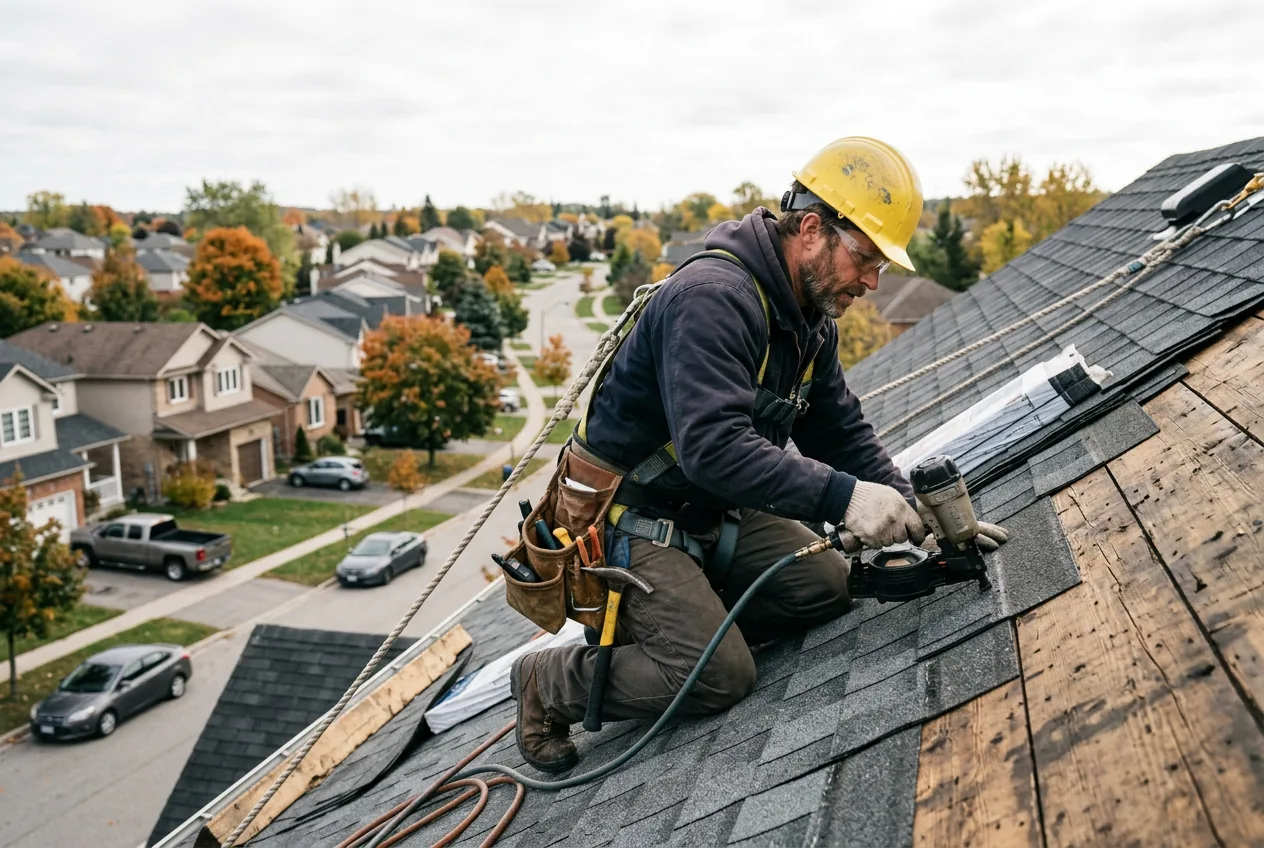
Working at heights without a spotter
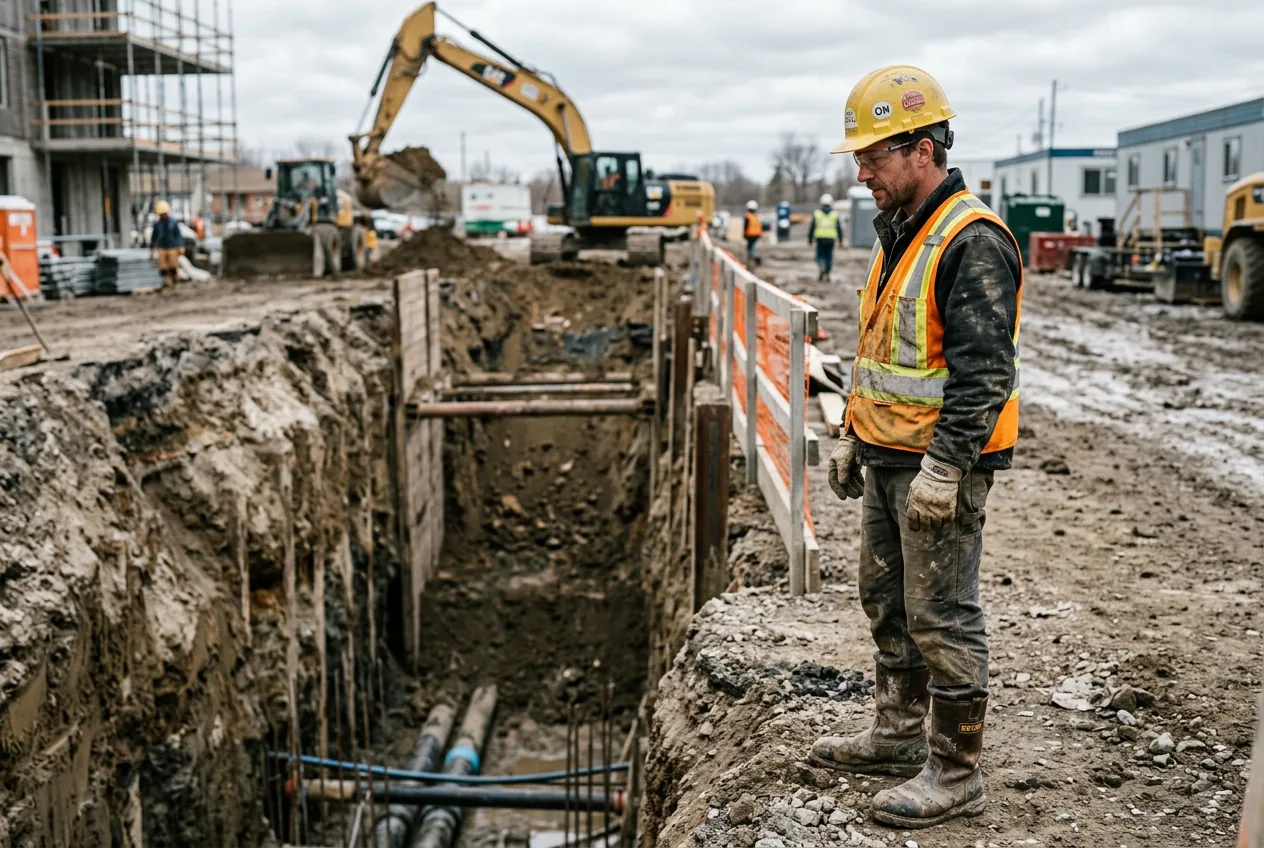
Trench work, cave-in risk
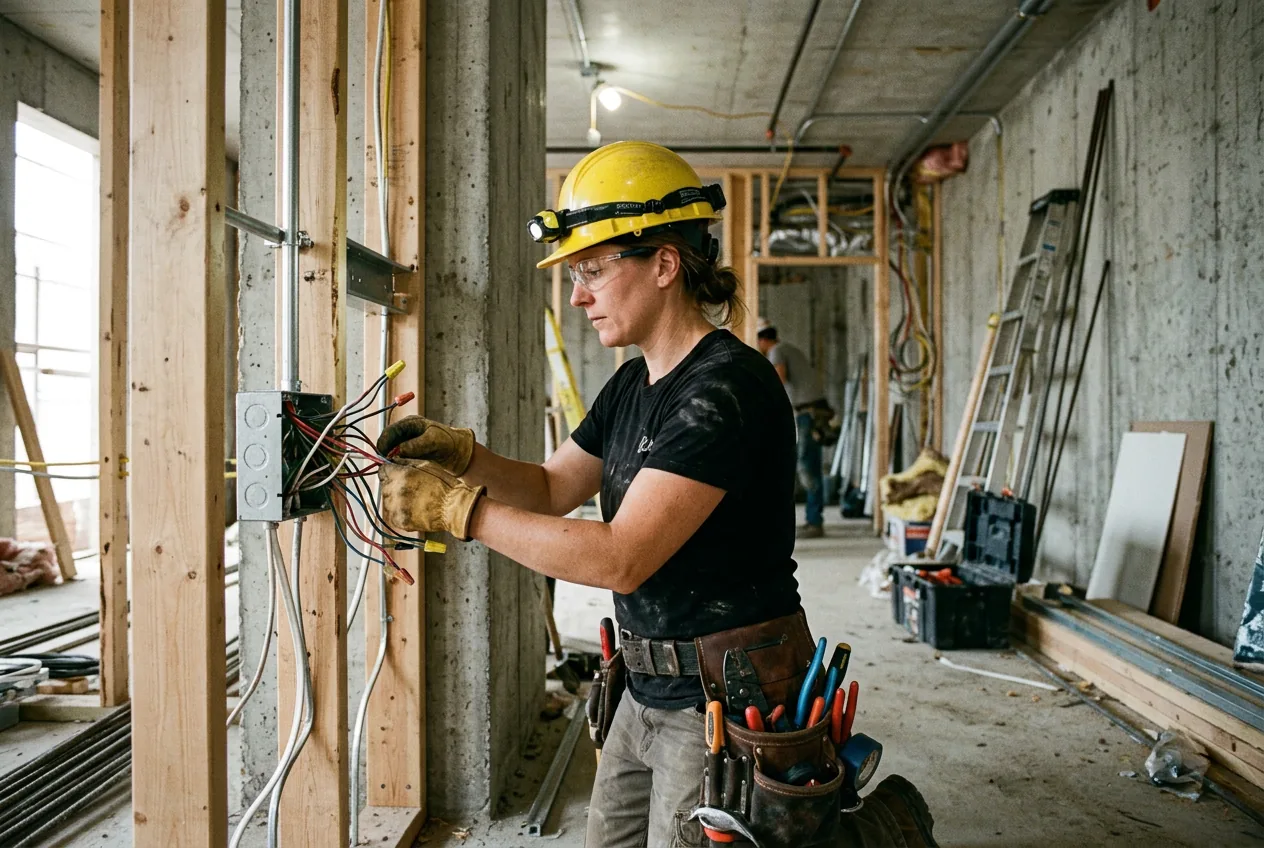
Live wires in unfinished buildings
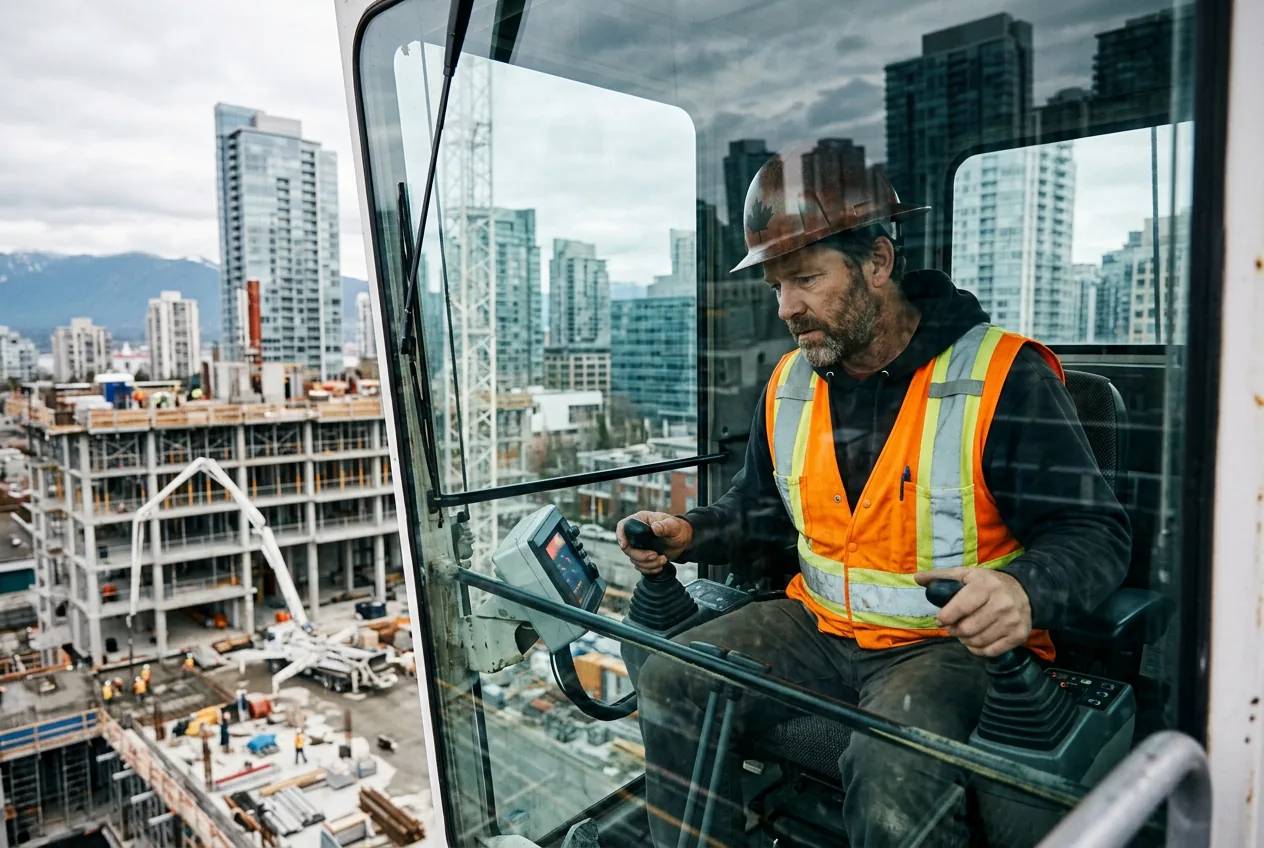
Isolated in the cab at height
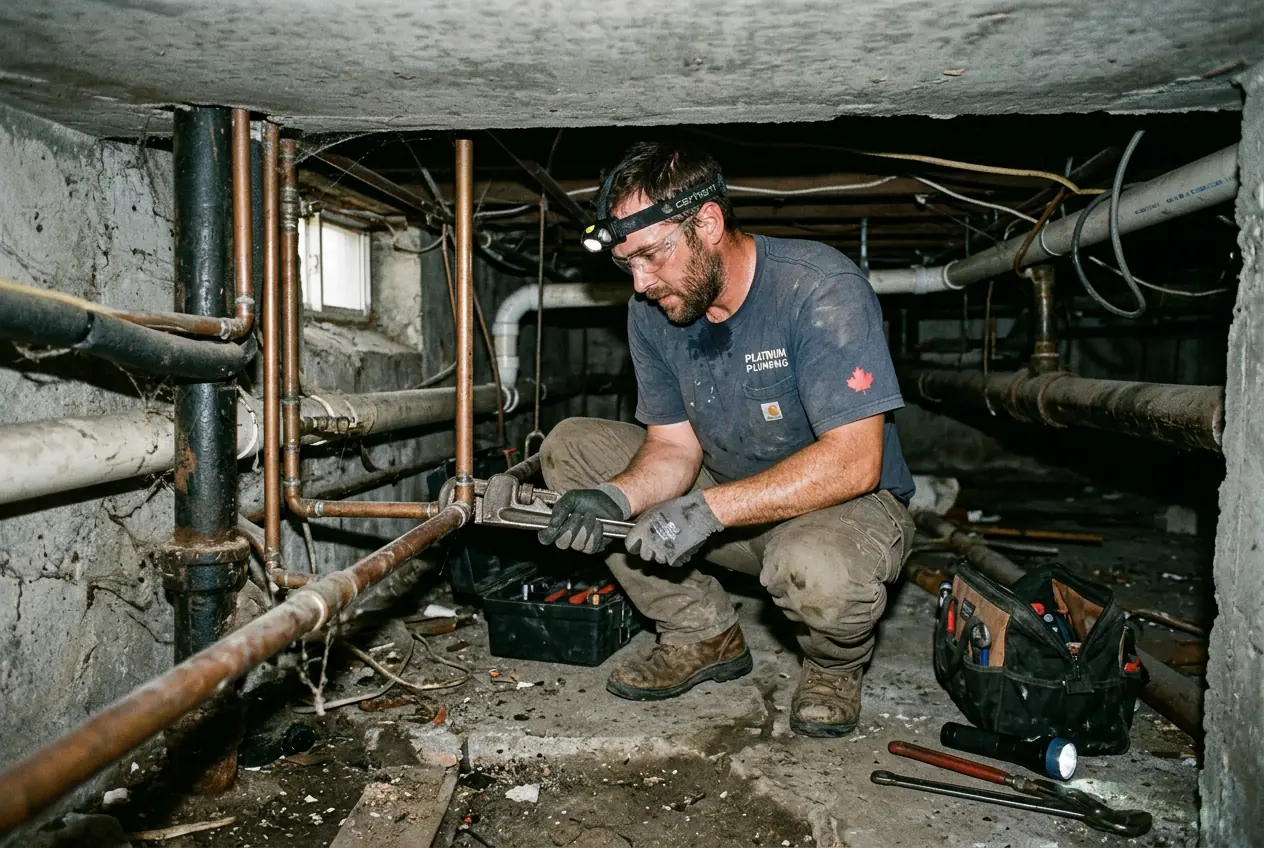
Crawl spaces and confined areas
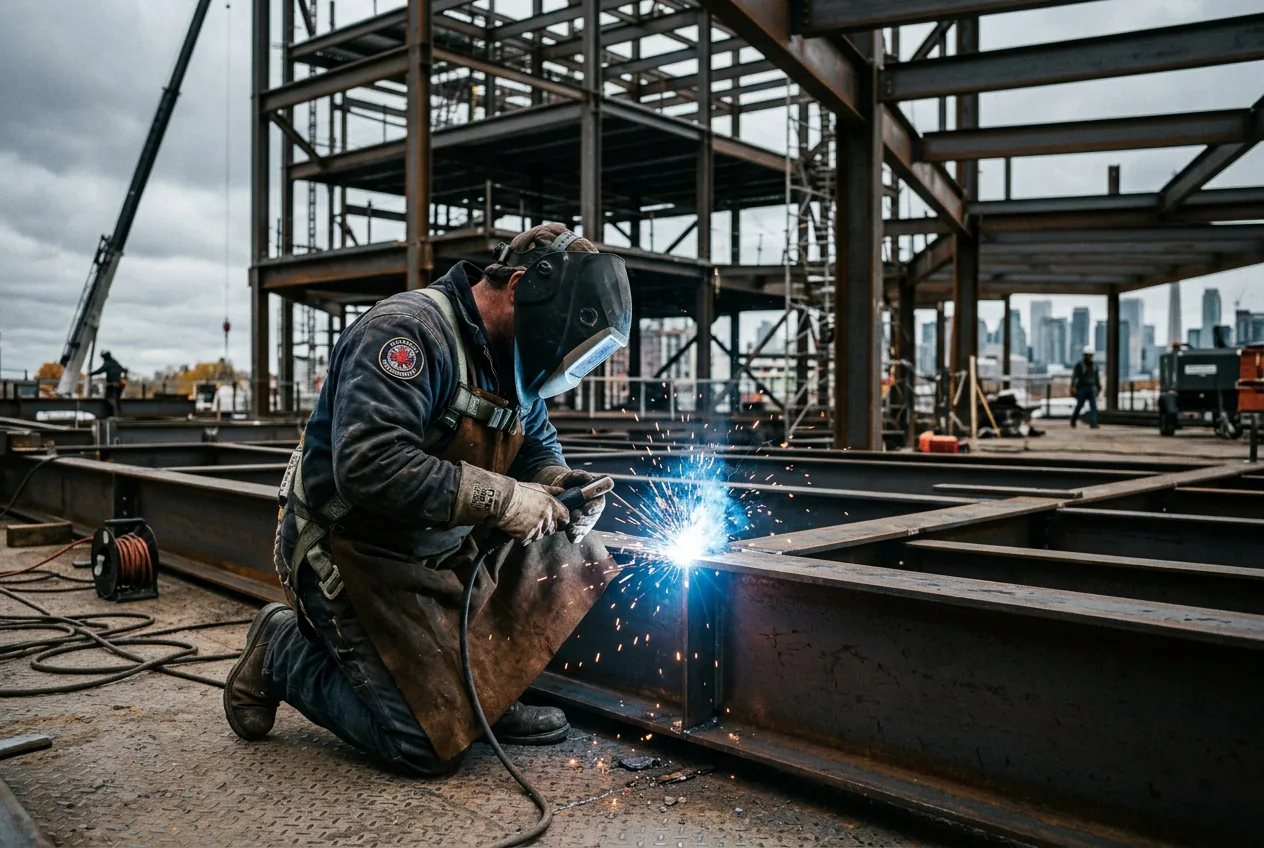
Confined space, fumes, fire risk
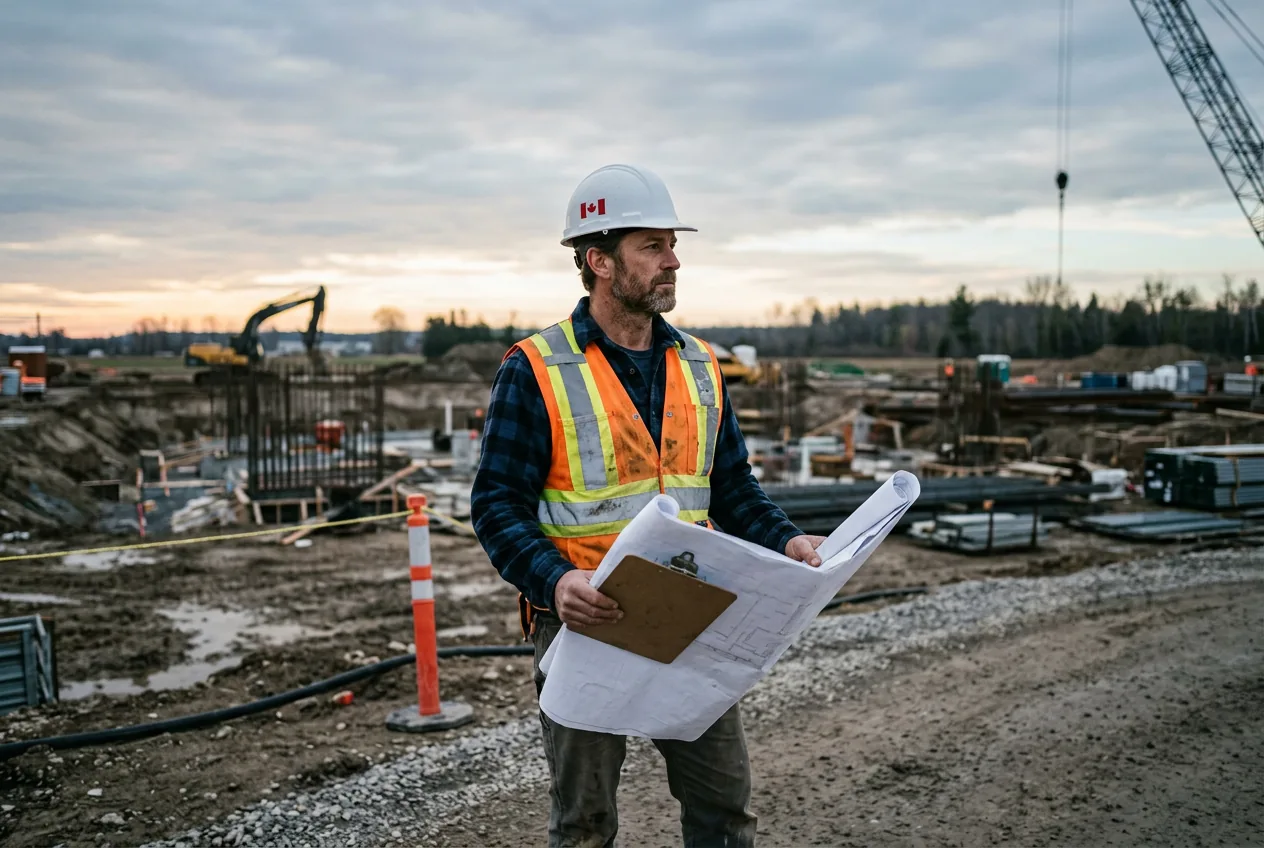
First on site, last to leave
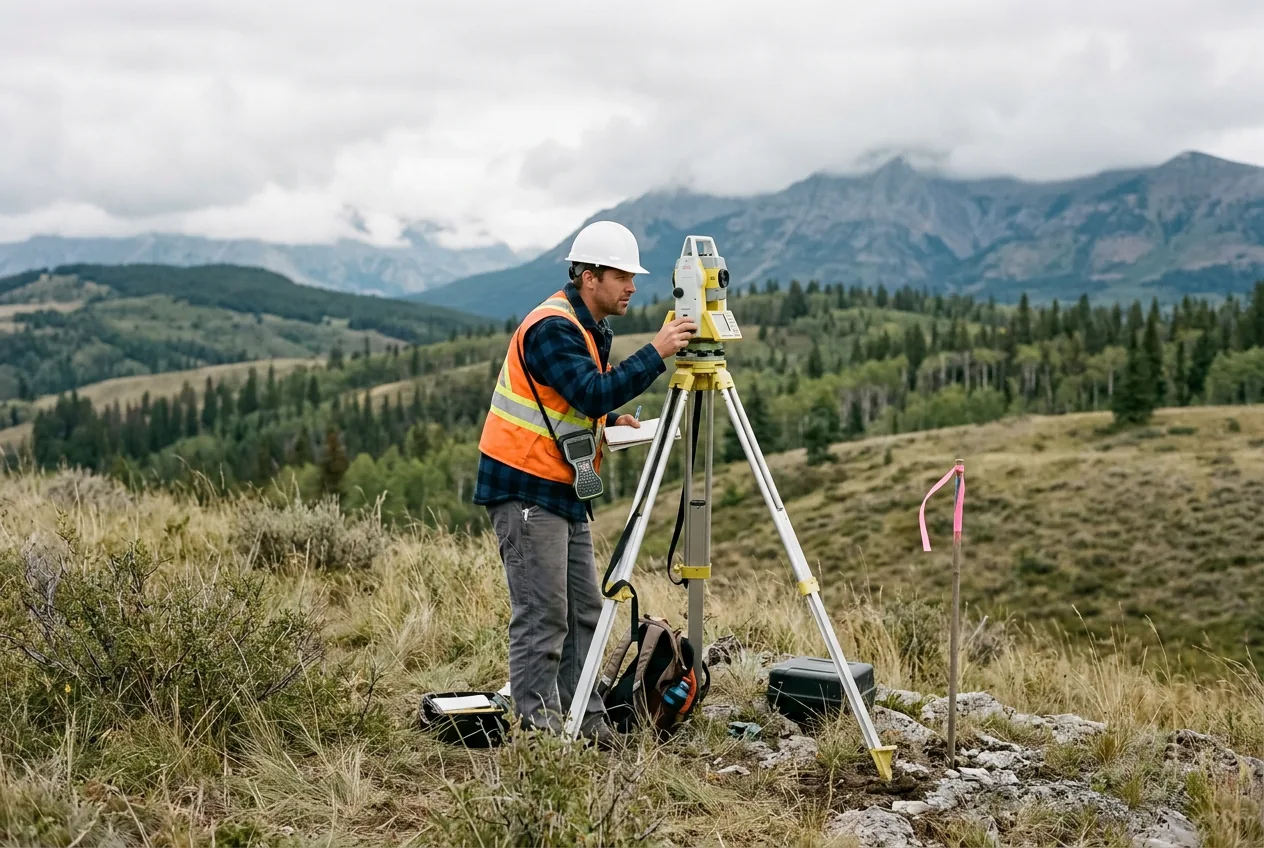
Remote terrain, solo fieldwork
"Our workers found CheckMate simple to set up and easy to use from day one. It has significantly improved our working-alone compliance across all locations and has been very well received by our team. I would absolutely recommend this product to any organization with mobile or lone workers."
24/7 live operators behind every safety check and alert, with the Safe Alone app, the Smart Button wearable, a live monitoring dashboard, satellite coverage where there is no signal, phone and landline safety checks, and an SOS wearable with fall detection for the highest-risk roles.
One-tap check-ins, a panic button and GPS location from the worker's smartphone, with every missed check-in and alert answered by a live operator, 24/7.
See who's active, who's checked in, and who needs attention — all on one screen. Map view with live GPS, status indicators, and compliance reports.

One press checks in, press and hold raises the alarm, without taking off gloves or pulling out a phone. Pairs with the Safe Alone app for crews on site.
Remote jobsites, rural builds, and highway corridors with no cell coverage. The satellite device sends check-ins and GPS location from anywhere — no cell towers needed.
Site office phone, personal cell, or any landline. Workers check in with a simple call — no app required, no special equipment needed.
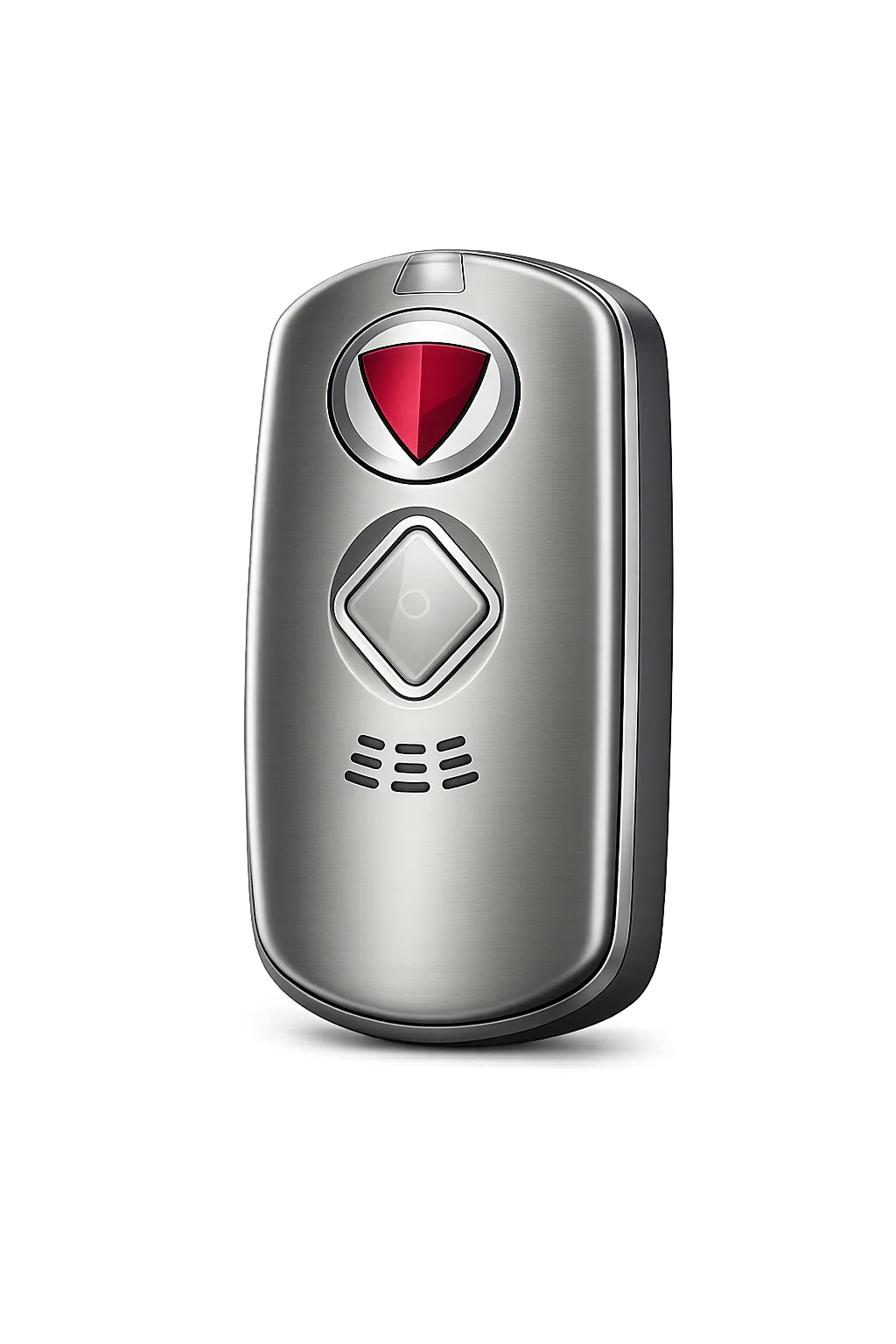
Automatic fall detection for roofers, scaffolders, and crane operators. Triggers an alert if it senses a fall from height or sudden impact — even if the worker can't press a button.
A simple, proven system that keeps your lone workers connected and protected — every shift, every day.
Workers receive scheduled check-in prompts via the app, a phone call, or the satellite device on remote sites. One tap confirms they're safe.
Missed check-in? Our system immediately flags it. No delay, no assumptions — just instant awareness.
Our ULC-certified operators call the worker, then escalate to supervisors. Real humans, real follow-through.
Every incident is documented. Every worker is accounted for. Peace of mind — backed by 55+ years of expertise.

ULC 5-Diamond certified. When someone misses a check-in, our operators are already calling — not sending another notification.
Over 3.7 million safety checks completed annually across 900+ Canadian organizations.
Over 55 years of security expertise. A proven safety partner for Canadian organizations.
Yes. The SOS wearable uses accelerometer and impact sensors to detect sudden falls — from rooftops, scaffolding, ladders, or heavy equipment. When a fall is detected, an alert with GPS coordinates is sent instantly to our 24/7 monitoring centre. Operators attempt to contact the worker and notify your designated emergency contacts if there's no response. No button press required — critical when a worker is unconscious or pinned.
Subcontractors download the Safe Alone app on their own smartphones — no special hardware needed. You can set up separate check-in schedules per trade or per site, and the dashboard gives your safety team visibility across all workers, including subs. For workers without smartphones, phone check-ins from any landline or the satellite device provide full coverage.
Yes — with the right device. Workers can pair the Safe Alone app with a satellite communicator like Zoleo (which uses the Iridium network), or add Rogers Satellite service directly to their phone. Both options let workers send check-ins and GPS location through a satellite link for highway construction, pipeline work, or rural residential builds. The stand-alone SOS wearable does not work in areas with no cell service, so it should be paired with one of these satellite options on truly remote sites.
Every Canadian province requires employers to have a working alone safety plan with regular check-ins and emergency response procedures. Bill C-45 adds personal criminal liability for supervisors and directors who fail to ensure workplace safety. CheckMate automatically documents every check-in, alert, and escalation with timestamps and GPS — creating a complete compliance audit trail.
Our ULC 5-Diamond certified monitoring centre operates 24/7 with live human operators. When a panic alert or fall detection is triggered, operators immediately attempt to contact the worker. If there's no response, they notify your designated emergency contacts and share the worker's GPS location — typically within minutes of the initial alert.

Join Canadian contractors who trust CheckMate to keep their workers safe — every jobsite, every shift.
Book a demo →