
EMERGENCY
00:07:38
Please check-in
before 2:24 PM
Every five minutes
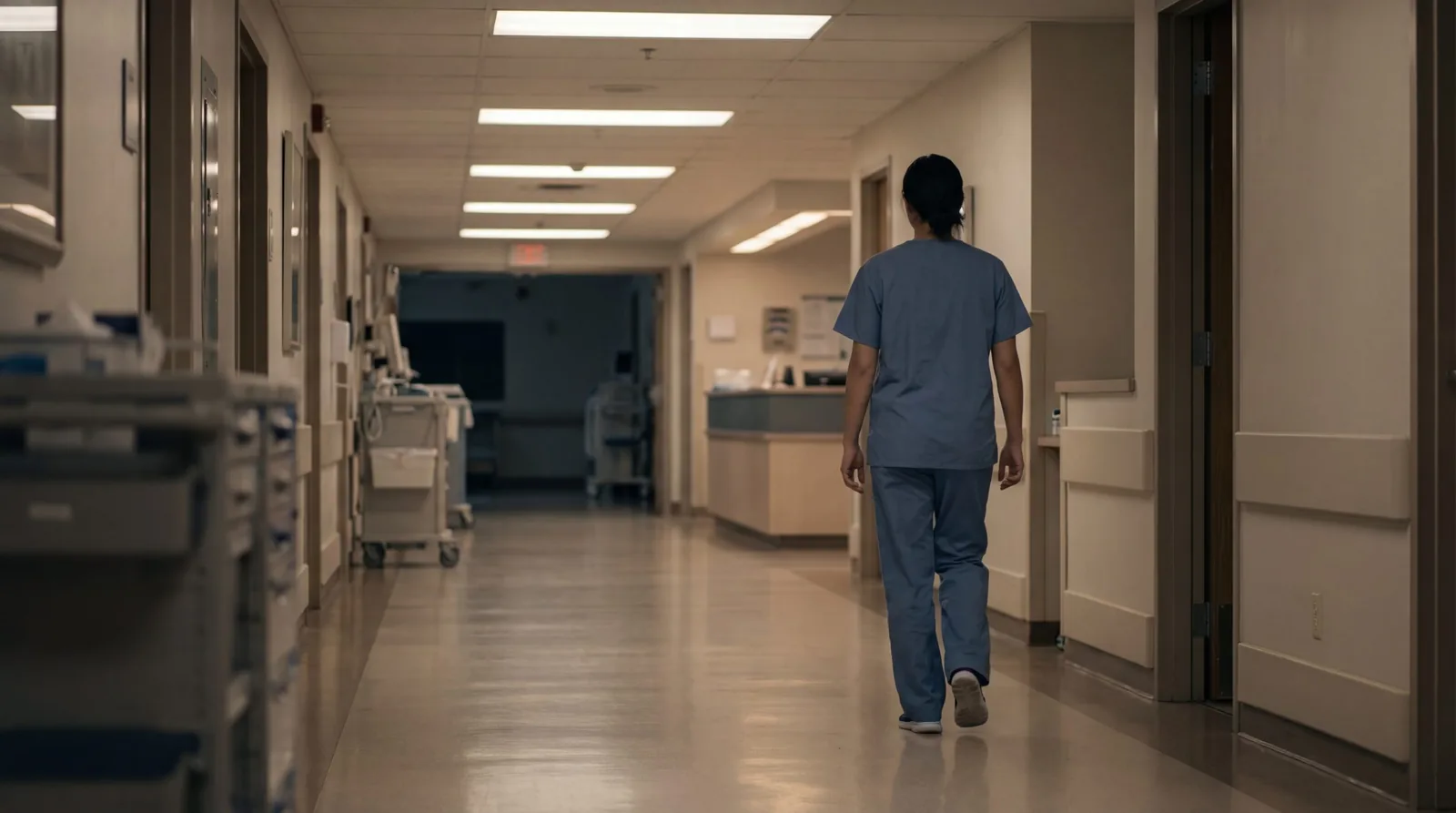
Home visits to unknown addresses. Rural travel with no cell signal. Overnight shifts with one staff member on duty. CheckMate gives your team 24/7 live operators who answer every missed check-in and panic alert, a discreet panic button, and timed check-ins on the Safe Alone app.
Trusted by healthcare organizations across Canada
Home visits, overnight shifts, rural travel, and volatile patients — healthcare workers routinely enter high-risk situations with no colleague in sight.
A nurse walks into a patient's home alone — unfamiliar layout, potential for volatile family members, no colleague within earshot. Every visit is a new set of unknowns, and there's no time to assess the risk before you're already inside.
Workers set a check-in timer before entering. If they don't confirm safe after the visit, 24/7 operators are alerted automatically and escalate within minutes — no call from the worker needed.
Community health workers, mental health counsellors, and social workers regularly meet with agitated or unpredictable clients — often in private settings with no witnesses and no easy exit. De-escalation training helps, but it doesn't replace a way to call for help.
One discreet tap on a phone or SOS wearable sends a silent alert to 24/7 operators — no sound, no visible screen change, nothing that could escalate the situation. Operators notify your designated emergency contacts before the client even knows.
Travelling between remote communities on highways with dead zones, dirt roads, and no nearby services. A breakdown, accident, or medical emergency in these areas means no cell signal to call for help.
CheckMate's satellite device works where cell towers don't — sending check-ins and GPS location via satellite. Operators track the worker's position on rural routes and can pass exact coordinates to your designated emergency contacts.
Lab technicians running tests at 2 AM, pharmacists counting controlled substances alone, nurses completing charting after everyone else has left. Empty hallways and locked wings mean no one nearby if something goes wrong.
Workers check in at set intervals during after-hours shifts. Supervisors see every active worker on the dashboard, and if a check-in is missed, 24/7 operators escalate — no waiting until morning to find out.
A single staff member supervising overnight at a care home or group home. If they have a medical episode, a fall, or are injured by a resident — there's no one else awake to notice or respond.
The SOS wearable detects falls, impacts, and prolonged lack of movement, alerting the monitoring centre automatically, even if the worker is unconscious or unable to press a button.
From home care nurses to social workers in the field.
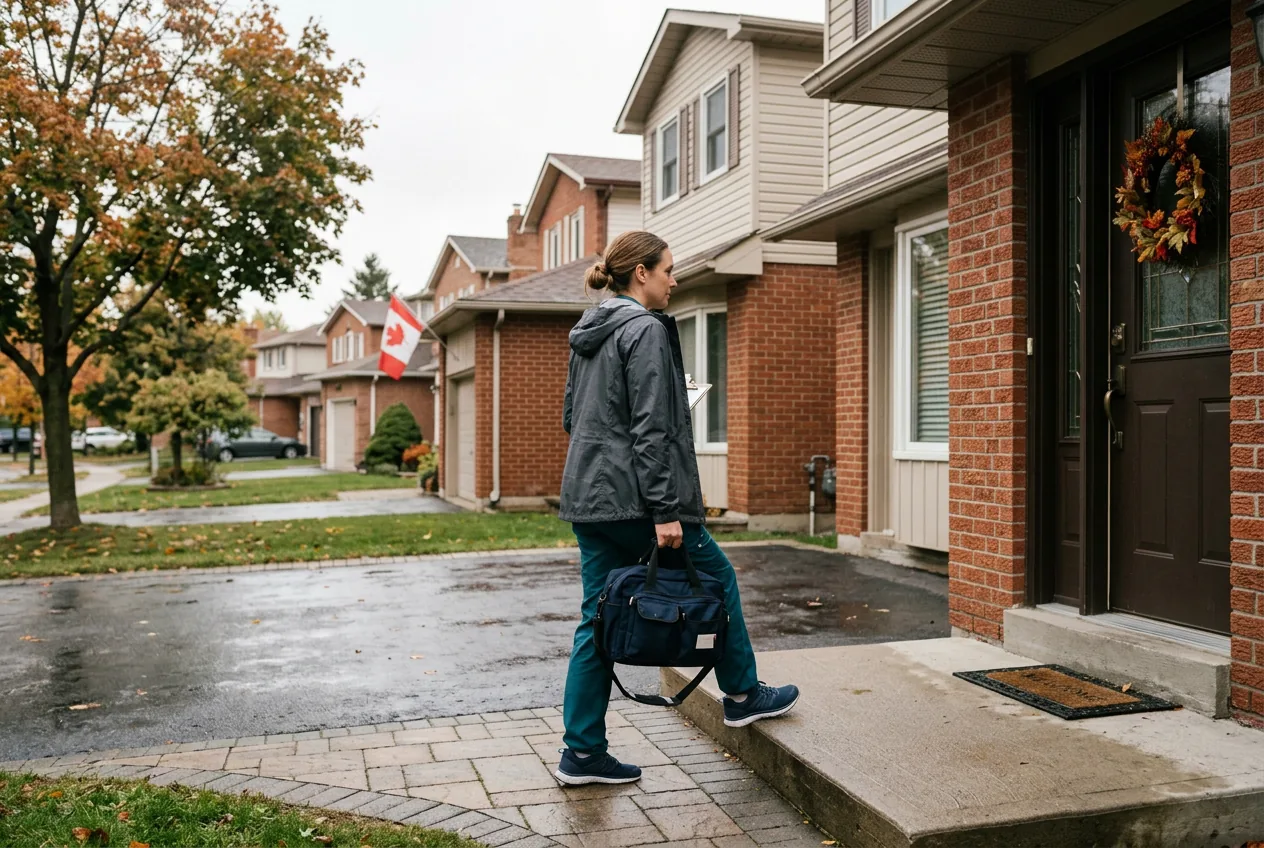
Entering patients' homes alone
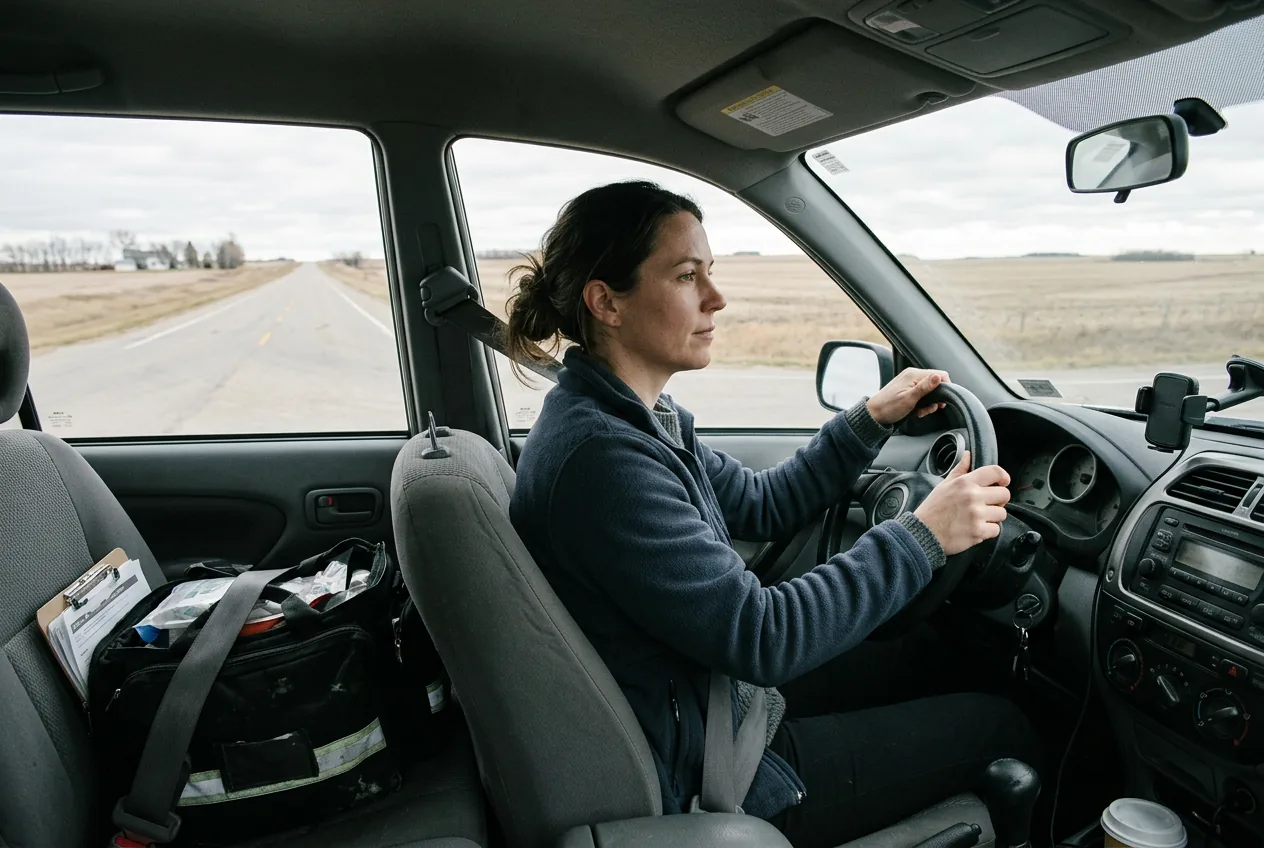
Rural travel between clients
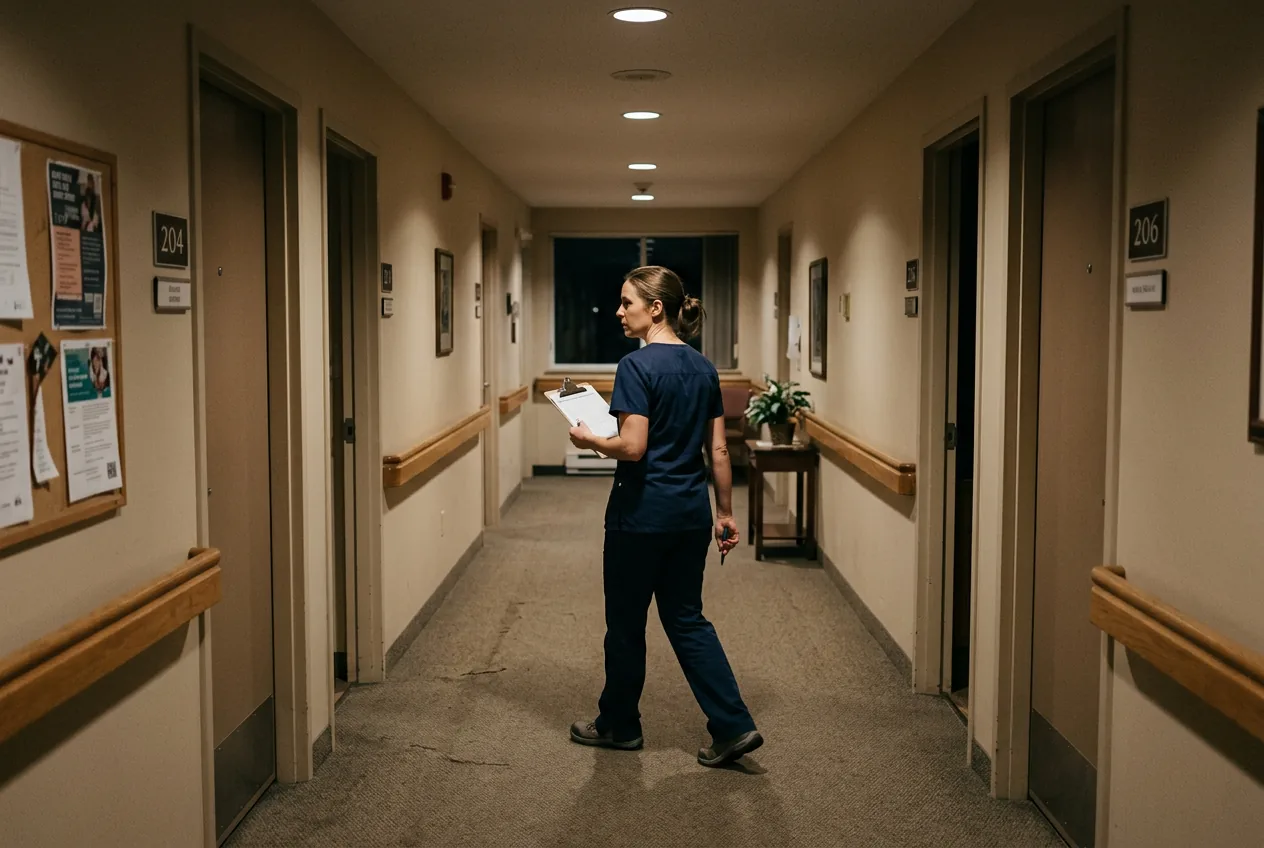
Overnight shifts, solo supervision
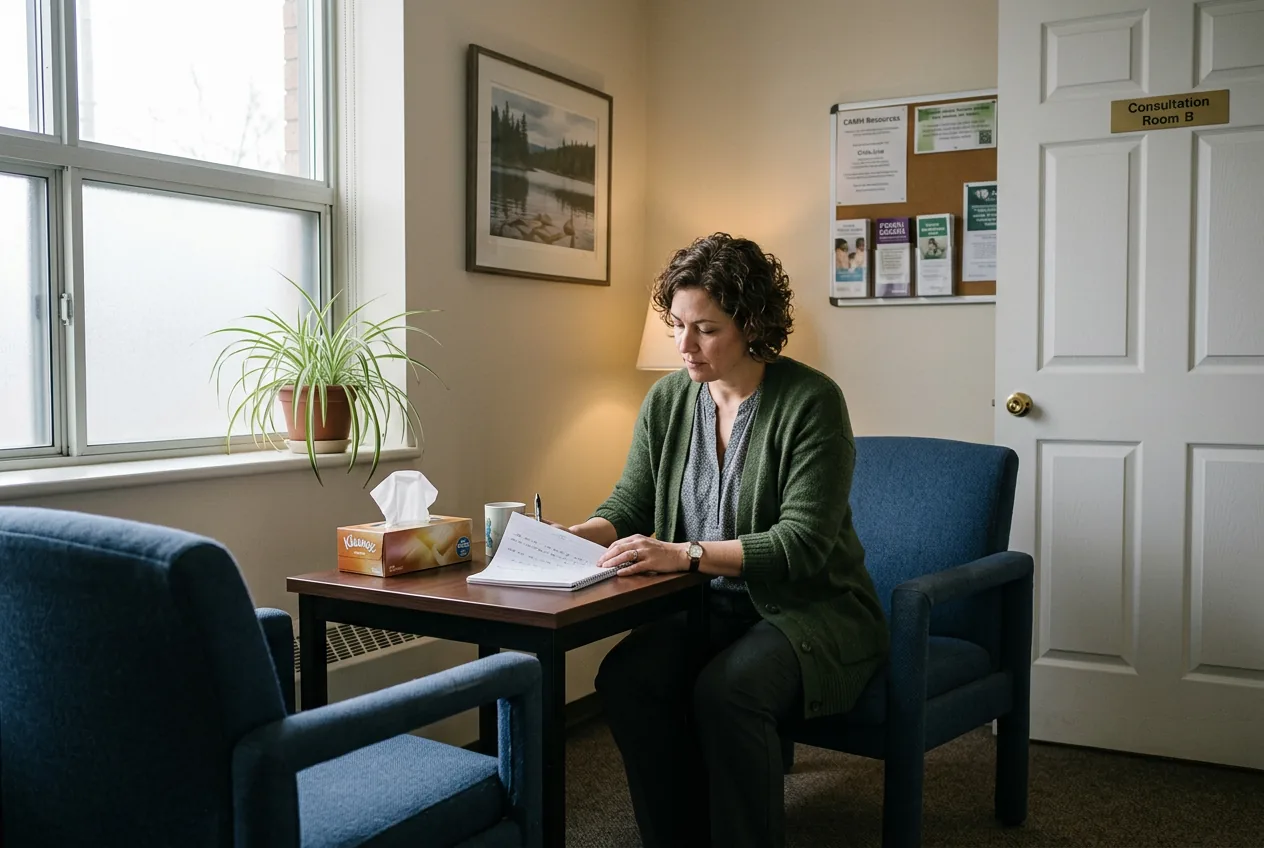
Sessions with unpredictable clients
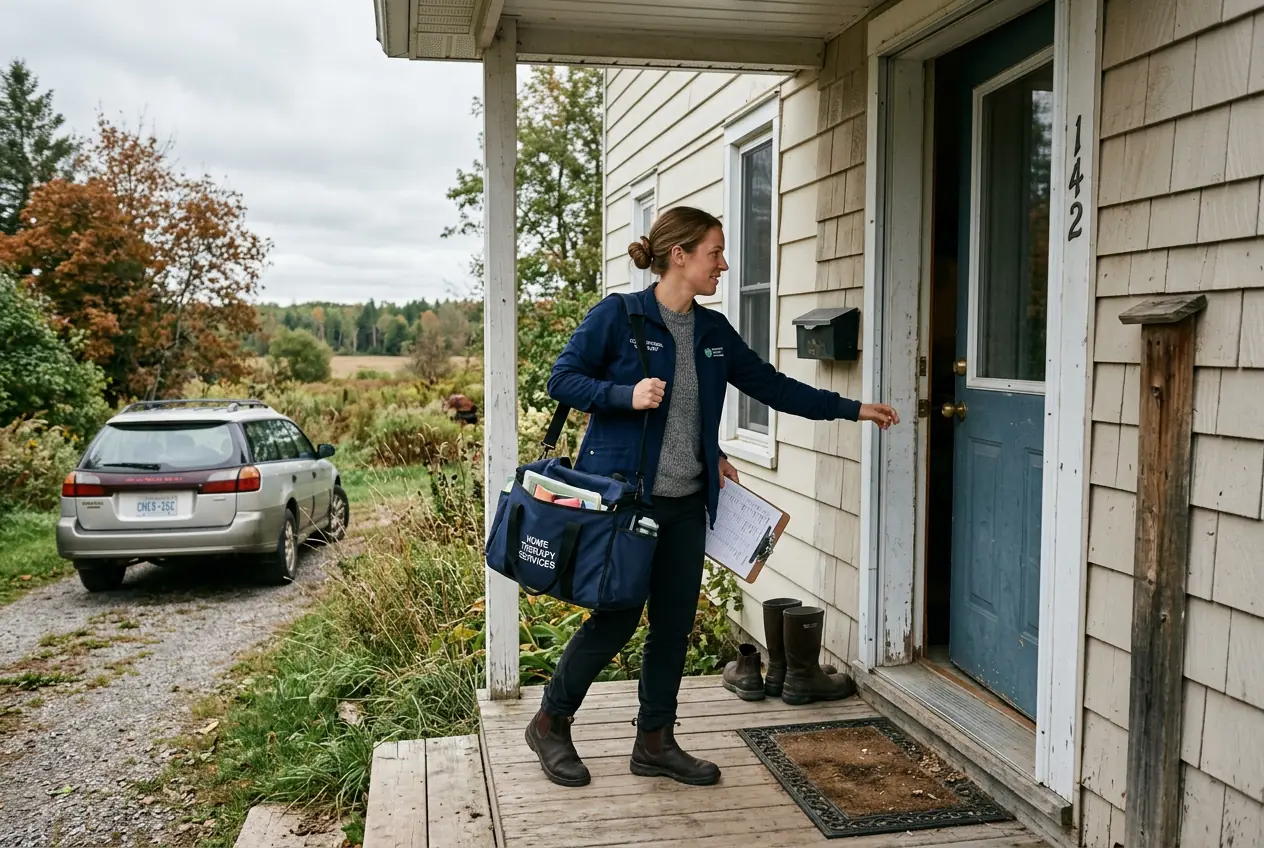
Home assessments in isolated areas
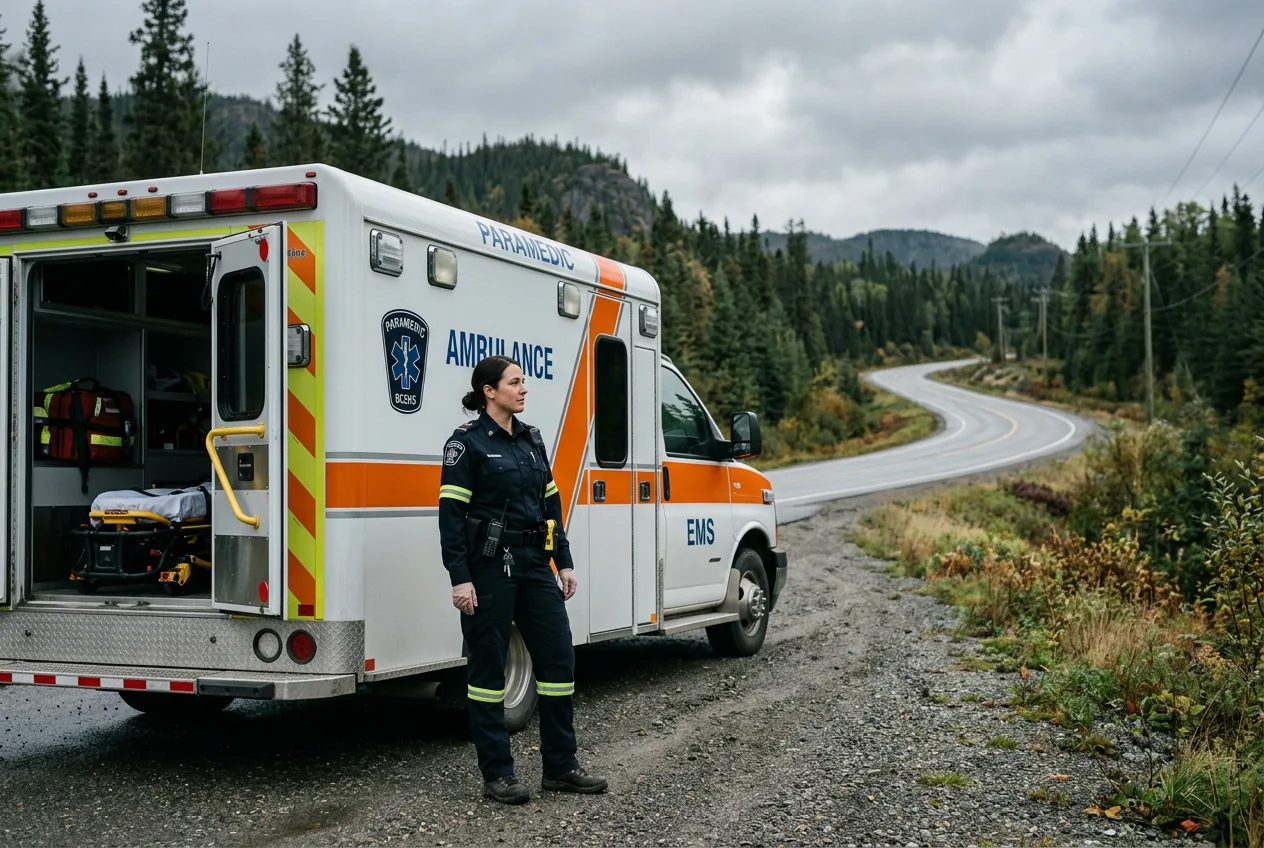
First on scene before backup arrives
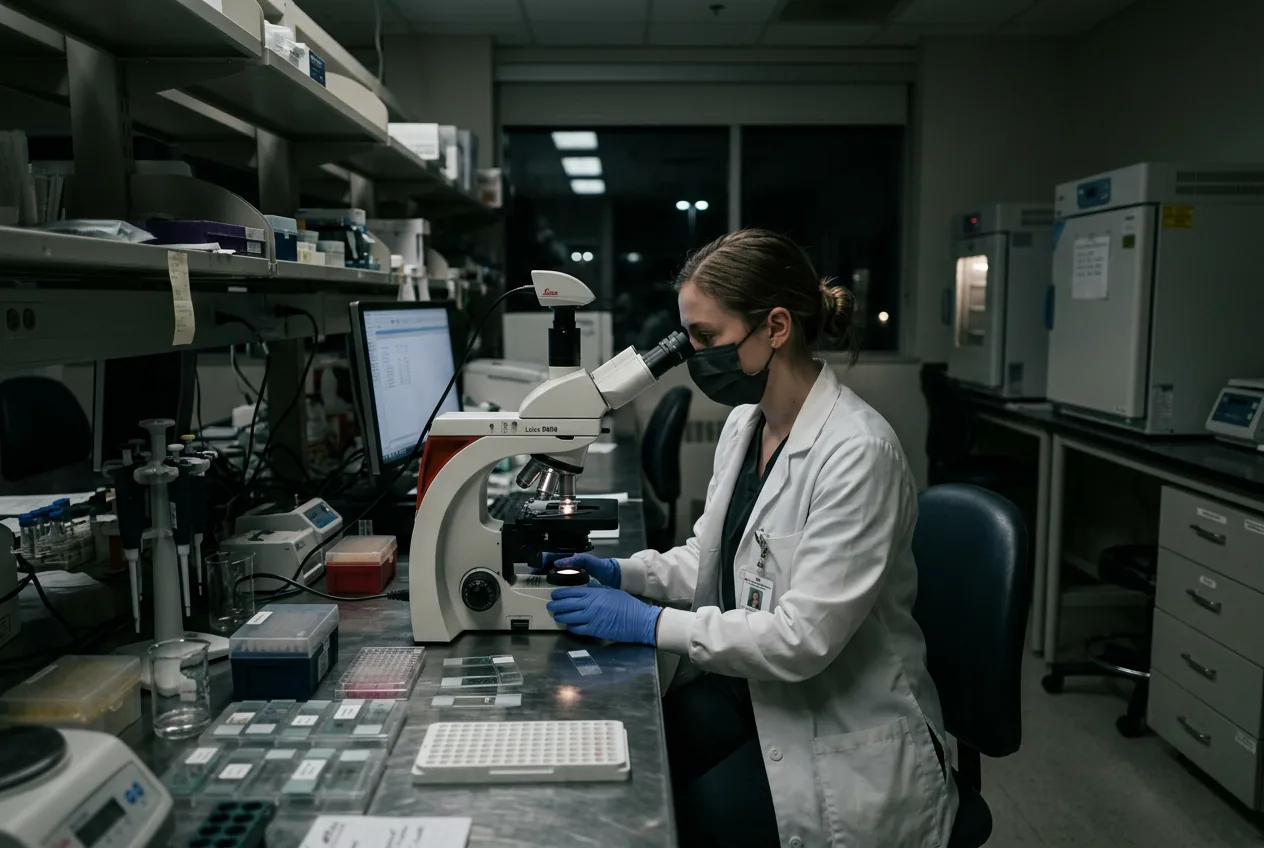
After-hours work in empty facilities
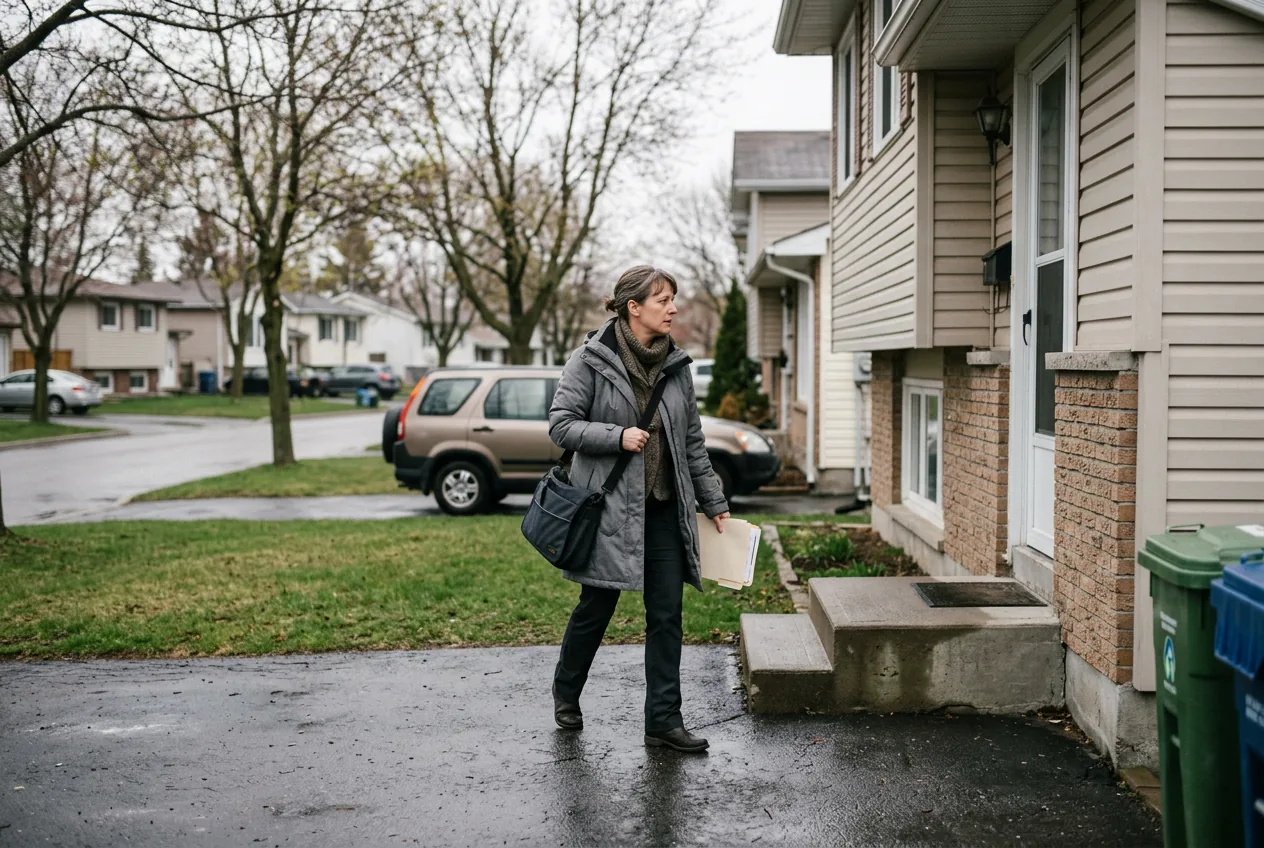
High-risk home visits
"The safety of our team is extremely important to us. CheckMate is one of the tools we rely on to help support staff who work alone across many geographical areas and provide an added layer of safety while they are in the community."
24/7 live operators behind every safety check and alert, with the Safe Alone app, the Smart Button wearable, a live monitoring dashboard, satellite coverage where there is no signal, phone and landline safety checks.
One-tap check-ins, a panic button and GPS location from the worker's smartphone, with every missed check-in and alert answered by a live operator, 24/7.
See who's active, who's checked in, and who needs attention — all on one screen. Map view with live GPS, status indicators, and compliance reports.

For home-care and community staff on the move. One press checks in, press and hold raises the alarm, phone stays in a bag. Pairs with the Safe Alone app.
Community health workers travel where cell towers don't reach. The satellite device sends check-ins and GPS location from anywhere — no cell signal required.
Facility phone, personal cell, or a patient's landline. Workers check in with a simple call — no app required, no special equipment needed.
A simple, proven system that keeps your lone workers connected and protected — every shift, every day.
Workers receive scheduled check-in prompts via the app, a phone call, or the satellite device. One tap confirms they're safe.
Missed check-in? Our system immediately flags it. No delay, no assumptions — just instant awareness.
Our ULC-certified operators call the worker, then escalate to supervisors. Real humans, real follow-through.
Every incident is documented. Every worker is accounted for. Peace of mind — backed by 55+ years of expertise.
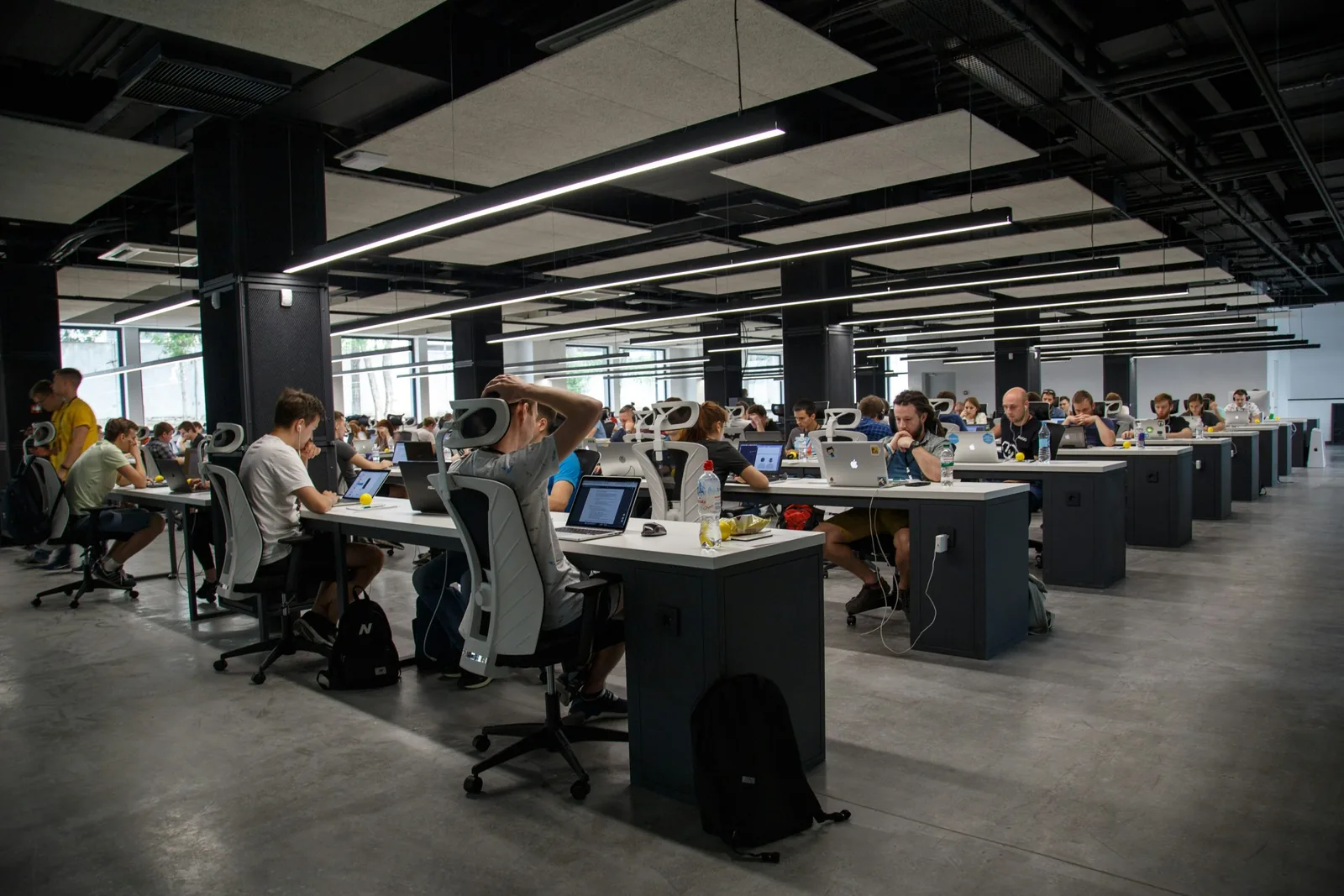
ULC 5-Diamond certified. When someone misses a check-in, our operators are already calling — not sending another notification.
Over 3.7 million safety checks completed annually across 900+ Canadian organizations.

Over 55 years of security expertise. A proven safety partner for Canadian organizations.
PATHWAYS ABILITIES SOCIETY
"The program gives us confidence that employees working alone have a reliable, easy-to-use safety check-in system in place, providing genuine peace of mind for everyone involved."
FIREWEED COLLECTIVE SOCIETY
"It provides a reliable and efficient way to monitor lone workers, document check-ins, and maintain accurate records, helping us demonstrate due diligence and meet regulatory obligations."
OMINECA SAFE HOME SOCIETY
"CheckMate has been great for the ladies who work in our 24-hour staffed transition house. They feel safe knowing that someone is checking in on them during their shifts when the office is closed."
Yes. CheckMate's panic alert is completely silent. Workers can trigger it from the Safe Alone app with a single tap or from the SOS wearable — no sound, no visible screen change, nothing that could escalate the situation. The alert goes directly to our 24/7 monitoring centre, who notify your designated emergency contacts while the worker focuses on de-escalating.
CheckMate's satellite device connects via the Iridium satellite network, which covers 100% of the earth's surface. Workers can send check-ins, panic alerts, and GPS location from anywhere — even deep in rural or northern communities where there's zero cell signal. They can also check in by phone from a patient's landline.
Yes. CheckMate is designed to meet or exceed working alone legislation across all Canadian provinces and territories. Every check-in, alert, and escalation is automatically documented with timestamps, GPS data, and operator actions — creating a complete audit trail for compliance with OHS requirements and Bill C-45 due diligence obligations.
Yes. The CheckMate dashboard shows every active worker on a live map — who's checked in, who's overdue, and where they are. Supervisors can monitor home care teams, community health workers, and facility staff from one screen, with full incident history and compliance reporting built in.
Immediately. Our ULC 5-Diamond certified monitoring centre operates 24/7/365 with trained operators — not automated systems. When a panic alert is triggered or a check-in is missed, operators begin escalation right away: calling the worker, then notifying your designated emergency contacts, who can involve emergency services if needed.

Join hundreds of Canadian healthcare organizations who trust CheckMate to keep their staff safe — every visit, every shift.
Book a demo →